 | The Umstead Coalition |
Native Plant Sales

For nearly 30 years, our plant sales have been a beloved Umstead community tradition. What began as a small event has grown into one of the most anticipated of the year for gardeners and Park lovers. Every spring and fall, we host sales featuring locally grown perennials, shrubs, grasses, ferns, and trees. We partner with local growers, including Umstead State Park's own Ranger Nick, to offer a diverse selection of plants native to the Piedmont region that support pollinators, birds, and the health of local ecosystems.
100% proceeds support Umstead State Park
fall NATIVE PLANT SALE
Saturday, October 17: Noon-3pm
Early Entry
For the Spring 2026 sale, Umstead Coalition members and anyone who has donated $15 or more on or after October 1, 2025 receive early entry to our plant sales, first pick of the plants, and our gratitude for your ongoing support of the Park. Not yet a member? Joining is one of the most direct ways to support the Park.
Want to Volunteer?
Our plant sales draw hundreds of people and we need lots of volunteers to help make them a success. If you're interested in helping out with setup or the sale itself, please sign up.
VOLUNTEER SIGN-UPInterested in Donating Native Plants?
Are you a home gardener with extra native plants in your garden that you'd like to donate? Or are you a native plant vendor and interested in donating or selling plants to the Umstead Coalition? We'd love to talk with you! The plants must be local to the state of North Carolina, ideally the Piedmont region, straight-species (no cultivars please) and pesticide/herbicide free. Contact us.

Why Are Native Plants So Important?
Planting natives in your garden creates habitat for the insects, birds, and wildlife that depend on plants indigenous to this region. You may be surprised at what shows up.
The flip side is equally important. When non-native plants take hold, they can outcompete native species and disrupt the ecological balance that wildlife depends on. This is a challenge we face in Umstead State Park every day.
Invasive Species in Umstead State Park
Umstead State Park is home to a number of invasive plant species that threaten native ecosystems and require significant staff and volunteer time to manage. Three of the most problematic are autumn olive (Elaeagnus umbellata), Chinese wisteria (Wisteria sinensis), and Chinese privet (Ligustrum sinense).
Autumn olive, first imported from Asia in the mid-1800s, forms dense thickets that crowd out native oaks and hornbeams. Chinese wisteria, left unmanaged when residents departed the land that became Umstead in the 1930s, has spent decades winding up trees and spreading through the forest floor. Chinese privet thrives in the wet, sandy soils of the Park's floodplains, particularly near Sycamore and Crabtree Creek.
Every native plant you choose for your garden instead of an invasive alternative is a small but meaningful act of stewardship. Read Ranger Nick's full blog post, Aliens, to learn more about these species and what you can do to help.
 Spotlight: Why Milkweed Matters
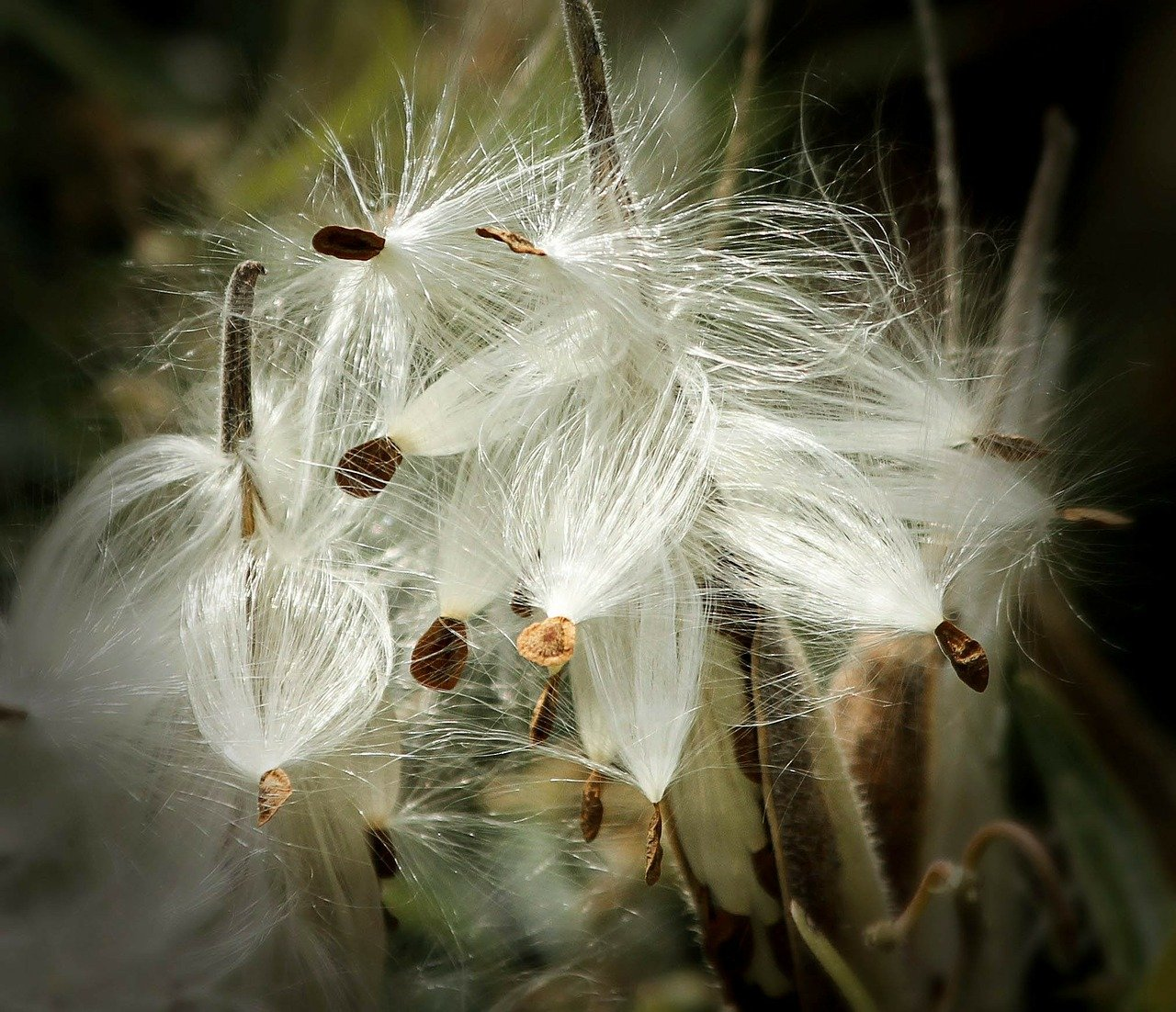
Every year, Ranger Nick and volunteers at Umstead State Park painstakingly harvest and count milkweed seeds — common milkweed, swamp milkweed, and butterfly weed — to share with the community. Why? Because milkweed is the only host plant for the monarch butterfly, and without it, monarchs cannot complete their life cycle.
Swamp milkweed (Asclepias incarnata) is one of our most popular plants at every sale, and for good reason. Planting it in your garden is one of the most direct ways to support monarch populations in our region.
Read Ranger Nick's blog post, Plant a (Milkweed) Seed, to learn more about milkweed, monarchs, and the remarkable story of how milkweed floss was used to stuff life jackets for sailors during World War II.
Learn More About Native Plants
- North Carolina Extension Gardener Plant Toolbox - View detailed descriptions and photographs of thousands of plants that grow in and around North Carolina.
- North Carolina Native Plant Forum - An active group on Facebook. Join in the conversation!
- North Carolina Native Plant Society
- North Carolina Botanical Garden
- Homegrown National Park - A nonprofit with an extensive resource library including links to NC native plant landscape architects and designers.
Find the Best Plants for Your Zip Code
Visit the National Wildlife Federation’s Native Plant Finder to find plants that host the highest numbers of butterflies and moths to feed birds and other wildlife where you live.